
Services

Food Plots

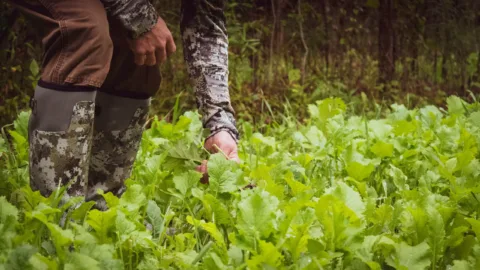
We design and install food plots that  grow bigger deer, increase overall health of the heard, and hold deer on your land season after season. From site selection to soil testing and amending to seeding with premium blends, we handle the whole process with top of the line equipment so you get results that actually see.
Food Plot
Benefits

What a Good Food Plot Does for Your Property

A well-placed, properly installed food plot changes how wildlife uses your land. It keeps deer coming back to specific spots consistently, which means more predictable movement and better hunting. It also improves the overall health of the animals on your property over time.

With the right seasonal rotation, your property can hold a food source year-round — spring crops that build the soil and support summer nutrition, and fall plantings that peak right when you need them most.

Beyond hunting, food plots add real value to your land. They create open areas, attract wildlife year round, and give you something productive to do with acreage that might otherwise just be sitting there growing up.

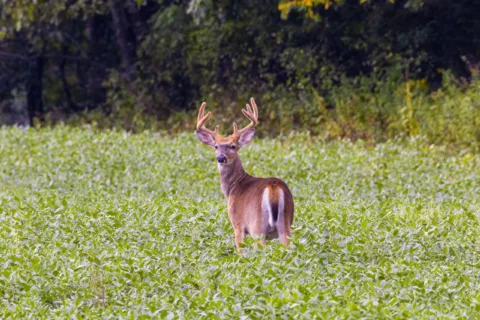
Good food plots attract more than just deer. Other game species use the same habitat. A well-designed plot keeps your property drawing wildlife across multiple seasons, not just during archery opener.

Process

How We Install a Food Plot

We use top of the line equipment at every step and follow a process built around getting strong, consistent results.

01.


Rototill the Land

We till the soil to the right depth using a commercial rototiller. This breaks up the ground, clears existing vegetation mechanically without herbicides or weed killer, and creates a loose aerated bed that gives your seed the best possible start.

02.


Soil Test and Fertilize if Needed

We check the soil before putting anything in it. If it needs lime or fertilizer to fix the pH or nutrient levels, we add it. If it doesn’t need it, we don’t add it. Simple as that.

03.


Spread the Right Seed Blend

We select a premium seed blend suited to your site, your goals, and the season. We spread it evenly at the right rate so you get good coverage across the whole plot. See below for what we plant in spring versus fall.

04.


Cultipack for Seed-to-Soil Contact

After seeding we run a cultipacker over the whole area. A cultipacker is a heavy ribbed roller attachment that presses each seed directly into the soil. Poor seed-to-soil contact is the number one reason food plots fail. Most DIY installs skip this step. We never do.
Spring & Fall Plantings

Maximize Your Plot With the Right Timing

Site selection and ground preparation are two of the biggest factors in whether a food plot succeeds. We plant year round and tailor every install to the season and what you’re trying to accomplish.

Not sure which direction to go? We’ll walk your property with you and recommend the right approach based on your goals, your soil, and the time of year.
Get in Touch

Spring Plantings

Spring plots go in late April into early May after the last frost. We use premium season blends that grow through summer, build soil health, and keep deer on your property during antler development and fawn rearing — setting up the herd for a stronger fall.
Common options: buckwheat, soybeans, peas, sunflowers, warm season clover blends, soil-building mixes

Fall Plantings

Fall plots go in mid-August and are built around attracting deer during hunting season. About four weeks after the initial planting, we top-dress with wheat or rye to boost forage volume and keep the plot attractive well into early winter.
Common options: brassicas, turnips, radishes, winter rye, clover, chicory
Image
Additional Services

Other Things We Can Help With

  • Scouting and mapping the best plot locations based on how deer move through your property
  • Clearing invasive plants like Japanese knotweed, multiflora rose, and autumn olive before planting
  • Setting up exclusion areas inside each plot so you can see how the crop is actually growing without deer pressure
  • Follow-up site visits after planting to evaluate germination, soil conditions, and coverage — and make any adjustments before problems set in
  • Ongoing communication throughout the season on crop progress, deer activity, and herd observations so you always know how your plot is performing
  • Seasonal mowing, reseeding, and soil maintenance to keep your plots going year after year
  • Crop changeovers to maintain a year-round food source across seasons
  • Property consulting on bedding areas, hinge cuts, and travel corridors
Contact

Ready to Start?

We’ll come out to your property, walk the land with you, and figure out the best approach together. No cost, no pressure.

Request a Free Site Walk
FAQs

Common Questions

What kind of seed do you plant?

We use premium seed blends tailored to your site, your goals, and the time of year. For fall hunting we use high-attraction blends built around turnips, radishes, and clover. For spring and summer we use soil-building season blends that improve ground health and keep deer on your property through the off season. We pick the blend based on what’s going to perform best on your specific ground — not a one-size-fits-all bag off a shelf.

When should I plant?

Spring plantings go in after the last frost, typically late April into early May. Fall plantings go in mid-August, followed by a top-dress of wheat or rye about four weeks later to boost forage volume and keep the plot attractive well into early winter. We’ll nail down exact timing based on your goals and what the weather is doing.

Why does a food plot cost more the first year?

The first install involves the most work—full ground prep, soil correction, equipment time, and building a healthy base from scratch. Once the plot is established and the soil is properly amended, follow-up plantings require less prep and fewer inputs, so costs can come down over time. Think of it as an upfront setup cost that pays off every season after.

What does a cultipacker do and why does it matter?

It’s a heavy ribbed roller that presses the seed into direct contact with the soil after spreading. That contact improves seed-to-soil contact, which is critical for germination and increases the overall success rate of the planting. Without it, you can lose a significant portion of your seed to poor contact and surface drying. It’s one of the most important steps in the process—and one that many people skip on a DIY install.The first install involves the most work—full ground prep, soil correction, equipment time, and building a healthy base from scratch. Once the plot is established and the soil is properly amended, follow-up plantings require less prep and fewer inputs, so costs can come down over time. Think of it as an upfront setup cost that pays off every season after.

Do I need a new plot every year?

Not always. Some plots like clover come back on their own and just need overseeding and mowing to stay productive. Annual crops like brassicas need to be replanted each season. We’ll set you up with a maintenance plan that makes sense for what you planted.

What if my property is steep or heavily wooded?

Not a problem. Most of Wayne and Sullivan County is hilly and forested. We have equipment that handles tough access and can do light clearing to open up a spot before we plant.

Additional Services

Starting Fresh? You Might Need One of These First.

If you’re putting in a food plot for the first time on land that hasn’t been managed before, there’s usually some prep work involved before we can plant. Here’s what that might look like depending on what you’ve got.

If your plot area is overgrown with tall grass, brush, or light scrub, we’ll mow or brush hog it down first to make room for the rototiller. This is the most common first step for reclaimed field plots.

Learn More
If the area has grown up with heavier brush, shrubs, and saplings, forestry mulching clears it back and leaves a clean layer that’s ready to till. A great first step before a new plot goes in on wooded edges.
Learn More
If you need a road or trail cut in to reach a back field, we can handle that too. A lot of the best plot locations are back in the timber and getting equipment in there is half the battle.
Learn More